

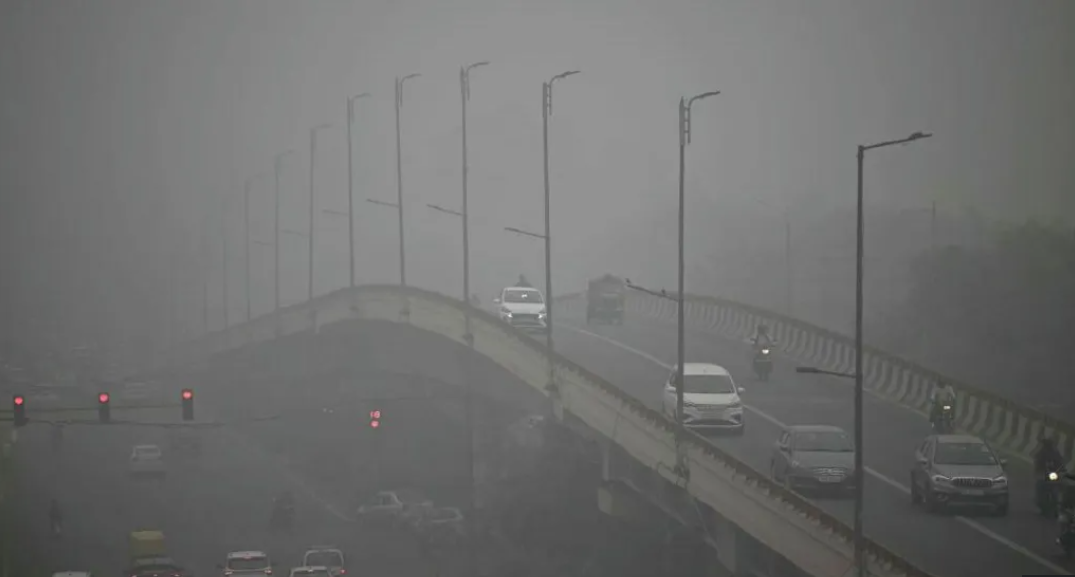
There was a time when Delhi’s winter was not just a season but an emotion. The city slowed down, wrapped itself in shawls and stories, and breathed a kind of romance that only a gentle cold could bring. Mornings arrived with soft sunlight filtering through dew-laden trees, afternoons carried the warmth of history echoing from monuments, and evenings invited long walks at India Gate, Connaught Place, or the lanes of Old Delhi. For decades, winter was Delhi’s most anticipated season, the perfect time for tourists across the world to experience the city at its most gracious. Today, that charm is choking under a blanket of pollution and smog. The transformation has been slow but relentless. What was once mist is now smog. What felt poetic now feels poisonous. Delhi’s winter mornings no longer begin with birdsong alone but with air quality alerts. The smell of damp earth has been replaced by the acrid sting of burnt stubble, vehicular emissions, and industrial waste trapped in cold air. The city wakes up coughing, its skyline erased, its monuments fading into a grey blur.
The Urdu poet Mirza Ghalib once wrote,
“Dil hi to hai na sang-o-khisht, dard se bhar na aaye kyun”
(It is a heart, not stone or brick—why should it not fill with pain?)
Delhi’s winter today mirrors that sentiment. A city with a long memory and a deep soul cannot help but ache at what it has become. The pain is not only environmental but cultural. Winter once defined Delhi’s social rhythm. This was the season of open-air food festivals, heritage walks, literary gatherings, and late-night conversations over steaming cups of chai. Tourists planned their visits carefully, knowing that winter offered the best weather to explore Humayun’s Tomb, Qutub Minar, Lodhi Gardens, and the bustling bazaars without the punishing heat of summer or the unpredictability of monsoons. Foreign guidebooks and travel blogs routinely described Delhi’s winter as “pleasant,” “crisp,” and “ideal.” Hotels filled up, walking tours thrived, and cafes spilled onto pavements. Today, travel advisories warn visitors about hazardous air quality. Masks have replaced scarves. Outdoor plans are cancelled not because of rain but because breathing itself becomes a health risk.
The numbers tell a grim story. Every winter, Delhi consistently ranks among the most polluted cities in the world. PM2.5 levels soar far beyond safe limits, schools shut down, flights are delayed, and hospitals overflow with patients suffering from respiratory distress. Children and the elderly bear the brunt, but no one is truly immune. What was once the season to step out has become the season to stay indoors. For tourists, the disappointment is profound. Visitors who once dreamed of experiencing Delhi’s winter magic now find themselves confined to hotel rooms, advised to avoid morning walks and outdoor sightseeing. The romance of fog-covered monuments has been replaced by the anxiety of checking air quality indexes. Photography enthusiasts struggle to capture landmarks swallowed by haze. Even the famed winter sunlight, once soft and golden, now struggles to pierce through the toxic veil.
The tragedy lies in contrast. Delhi is a city built for winter beauty. Its architecture, gardens, and public spaces come alive in cold weather. The Mughal gardens were designed for winter blooms. The old city’s narrow lanes retain warmth and intimacy during colder months. Street food culture peaks in winter parathas sizzling on tavas, kebabs smoking gently, peanuts roasting at street corners. Yet now, the smoke that once promised flavour blends indistinguishably with pollution, turning pleasure into peril.
Residents mourn this loss quietly. Older Delhiites often speak of winters when the sky was blue, when children played outside without fear, when morning walks were rituals, not risks. Younger generations, alarmingly, are growing up normalising smog as part of winter. This acceptance may be the most dangerous loss of all the loss of outrage, the loss of memory.
The causes of this crisis are well known: unchecked vehicular growth, construction dust, industrial emissions, crop burning in neighbouring states, and weak enforcement of environmental regulations. What remains elusive is sustained political will. Each year, emergency measures are announced odd-even schemes, construction bans, firecracker restrictions but these are reactive, not transformative. Winter passes, outrage fades, and the cycle resumes.
The impact on tourism is a silent economic blow. Winter once guaranteed livelihoods for guides, photographers, street vendors, and small businesses dependent on footfall. As tourists cancel or shorten trips, the ripple effect is felt across the informal economy. Delhi’s global image suffers too. A city rich in history, culture, and cuisine is now internationally associated with smog alerts and health warnings. And yet, Delhi endures. Even under the grey sky, life refuses to pause completely. People still gather, poets still write, food still comforts. Perhaps that resilience is what hurts the most that a city so alive is being slowly suffocated.
Until then, winter in Delhi will remain a season of contradiction: beautiful in memory, brutal in reality. And like Ghalib’s aching heart, the city will continue to ask why should it not be filled with pain, when what it once loved most is slowly slipping away?
About the Writer:
Altamash Khan is a contributing journalist who completed his journalism studies at the prestigious Aligarh Muslim University. He has over half a decade of experience writing on a wide range of topics, from politics and social issues to technology and Brands. In addition to his journalism work, he works as a Public Relations and Brand Strategist, helping communicate Brand messages to the World. He would love to hear your thoughts on this issue. Leave a comment below or reach out via the social media handles.