

Every generation believes it has arrived to correct the mistakes of the one before it. The young inherit a world they did not build, yet feel morally obligated to rebuild it. It is an admirable instinct. Without youthful idealism, societies would stagnate. Without rebellion, injustice would become permanent. Yet history teaches us a subtler lesson: revolutions that mistake rage for direction often leave behind little more than debris.
Generation Z stands at a peculiar crossroads. Never before has a generation been so informed, so connected, and yet so vulnerable to the intoxicating speed of outrage. A viral post has become a manifesto. A trending hashtag is mistaken for a movement. A boycott lasts until the next notification. In this whirlwind of instant activism, one cannot help but wonder whether the ship is being steered,or simply shaken until everyone aboard is seasick.
There is an old maritime saying: “A wise sailor does not curse the storm; he learns when to reef the sails.” The sea has never been kind to the impatient. Neither has history.
Young people today often see institutions as rusted relics deserving demolition rather than repair. Universities, governments, media, even families are increasingly viewed not as imperfect vessels but as sinking ships to be abandoned. The temptation is understandable. Corruption exists. Inequality persists. Climate anxiety is real. Wars rage. Jobs are uncertain. Housing grows unaffordable. If frustration had a face, it would probably be under thirty. But frustration is a poor captain.
The irony is delicious, if slightly tragic. The same generation that refuses to wait three seconds for a webpage to load often demands that centuries-old social problems disappear overnight. Democracy, however, does not run on Wi-Fi speed. Institutions, like old ships, creak, leak, and occasionally infuriate. Yet they are often what keep us afloat.
This is not an argument against protest. Far from it. Every meaningful expansion of human rights has been powered by people willing to dissent. Students challenged colonial empires. Young workers demanded fair wages. Civil rights movements were carried by restless youth. But there is a profound difference between steering a ship toward a better shore and drilling holes into its hull because the voyage feels too slow.
Today’s protests sometimes resemble digital thunderstorms, loud enough to command attention but too fleeting to alter the landscape. Public outrage erupts, memes multiply, profile pictures change, and declarations of moral certainty flood timelines. By the following week, another issue has replaced the last. The algorithm moves on faster than justice ever can. Perhaps that is why satire feels unavoidable. We now inhabit an age where changing one’s display picture is occasionally mistaken for changing the world. Outrage has become a subscription service with monthly renewals.
Young minds possess extraordinary energy, but energy without navigation can become destruction. A sailor who mistakes every gust of wind for an invitation to unfurl every sail soon discovers that masts break before storms do.
There is another uncomfortable truth. Every generation imagines itself immune to the flaws of its predecessors. The Baby Boomers accused the establishment. Generation X distrusted institutions. Millennials questioned capitalism. Generation Z questions almost everything. Someday, another generation will question Generation Z with equal confidence. History has an amusing habit of humbling those who believed they were its final editors.
Real change rarely comes wearing dramatic costumes. It often arrives dressed as tedious committee meetings, policy drafts, local elections, patient conversations, and years of community organising. None of these trend on social media. None produce viral clips. Yet almost every lasting reform has depended upon them.
A ship survives not because everyone rows furiously at once, but because every hand understands its place. Some repair sails. Others read maps. Someone must watch the horizon while another manages the anchor. Progress has always required both dreamers and navigators.
Our age increasingly celebrates disruption while quietly forgetting construction. Breaking things is exciting. Building them is exhausting. One can demolish trust within minutes; rebuilding it may consume decades. One reckless wave of misinformation can undo years of careful public dialogue. The applause usually belongs to those who shout. The future, however, belongs to those who stay after the shouting ends.
There is something deeply human about wanting immediate justice. It springs from empathy, not arrogance. Young people witness suffering and naturally ask, “Why not now?” The question deserves respect. But so does another question: “How?”
The distance between those two questions is where civilisation either advances or stumbles.
This is not a plea for obedience. It is a plea for wisdom. Sail against unfair winds if you must. Challenge captains who have lost their moral compass. Demand accountability from those at the helm. But remember that the ocean is indifferent to ideology. If the ship sinks, everyone onboard sinks with it, including those who believed they were only punching holes in someone else’s cabin.
The sea has always belonged to the brave, but never to the reckless.
Generation Z has inherited a vessel battered by storms it did not create. Climate change, economic uncertainty, political polarisation, and technological upheaval were already swirling long before today’s young adults took the wheel. They deserve sympathy for that inheritance. But inheritance also carries responsibility.
Every generation leaves behind either a sturdier ship or a larger wreck.
The tide will not remember who shouted the loudest. It will remember who brought the vessel safely to shore.
About the Writer:
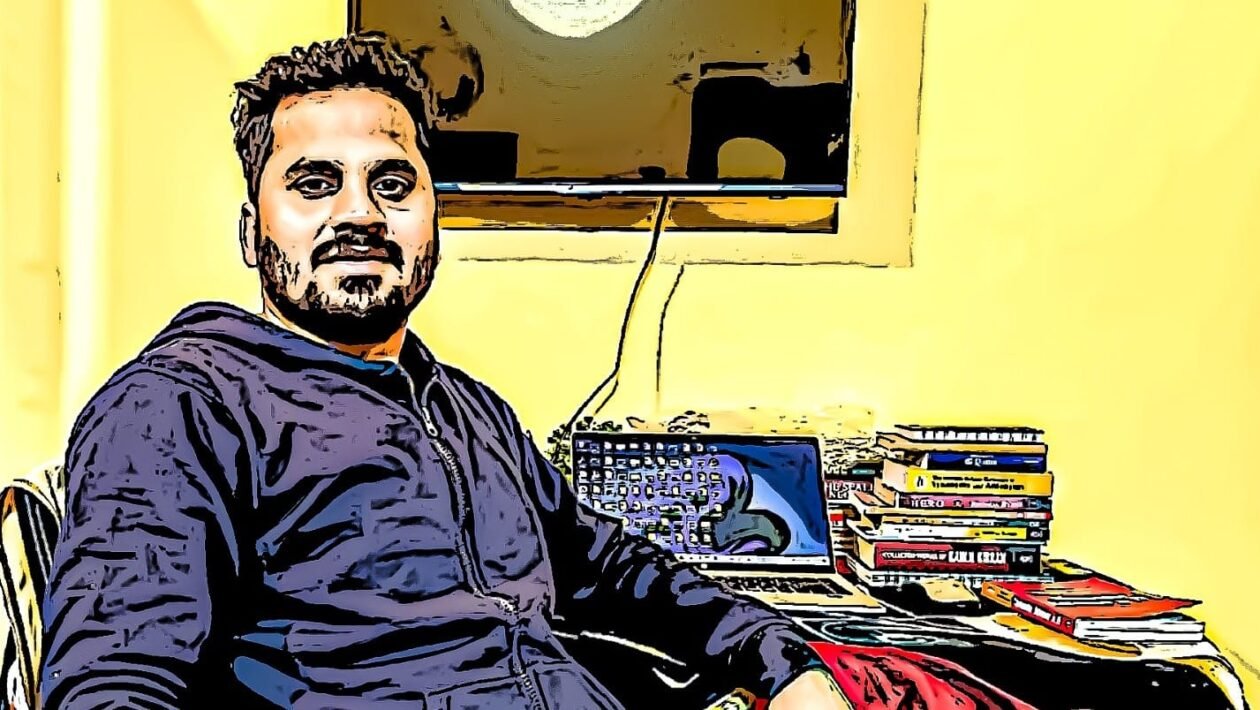
Altamash Khan is a contributing journalist who completed his journalism studies at the prestigious Aligarh Muslim University. He has over half a decade of experience writing on a wide range of topics, from politics and social issues to technology and Brands. In addition to his journalism work, he works as a Public Relations and Brand Strategist, helping communicate Brand messages to the World. He would love to hear your thoughts on this issue. Leave a comment below or reach out via the social media handles.