

In recent years, the rental prices in Delhi’s Muslim‑majority localities like Shaheen Bagh and Okhla have risen steeply, even as the quality of basic amenities remains alarmingly poor. This paradox — paying high rents for substandard living conditions — reflects a deeper structural issue: the ghettoisation of minorities and the shrinking of safe, affordable housing options available to them.
A two‑room set in Shaheen Bagh or Batla House today often commands a rent comparable to areas with far better infrastructure and civic amenities. Tenants routinely pay ₹15,000–₹20,000 for cramped, poorly ventilated flats, often located in congested lanes with inadequate sewage, poor garbage management, and unreliable water supply. The situation becomes worse during the monsoon when overflowing drains, waterlogging, and power cuts turn daily life into a struggle. Yet, despite these hardships, rents continue to climb. The justification for such soaring rents lies not in quality but in demand. With minorities increasingly feeling insecure in other parts of the city due to communal tensions, misinformation, and subtle discrimination in housing, localities like Shaheen Bagh have become “safe zones” — places where identity does not invite suspicion. This security premium, ironically, is what tenants are paying for, not better facilities.
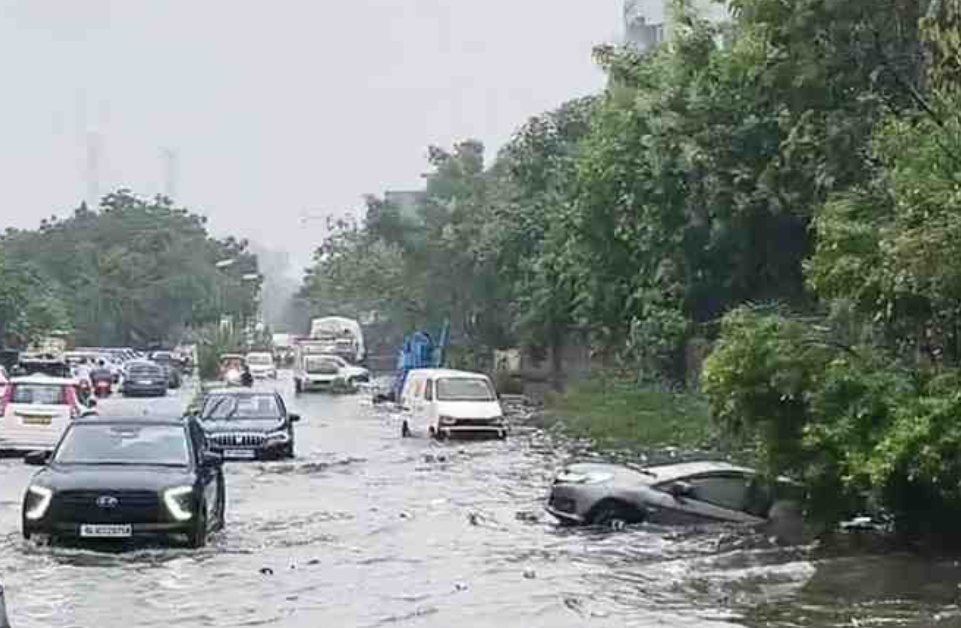
The rainy season lays bare the chronic neglect of civic infrastructure in these areas. Roads are riddled with potholes, open drains overflow into homes, and garbage piles up on street corners. In Okhla’s Jamia Nagar, residents often wade through knee‑deep water after heavy showers, while children fall ill due to mosquito‑borne diseases. This is not a one‑off crisis; it is a seasonal reality. Despite residents paying market‑rate rents and taxes, municipal services remain abysmally low. Building codes are seldom enforced, resulting in unsafe constructions where ventilation, drainage, and fire safety are compromised. The irony is stark: people are paying a premium for locations that routinely fail the basic benchmarks of livability.
The root cause lies in systemic ghettoisation. Muslim families often face subtle but firm rejection when trying to rent homes in mixed localities. Brokers and landlords may cite “vegetarian only” policies, vague discomfort, or outright bigotry. Over time, this exclusion has concentrated minorities into specific pockets like Shaheen Bagh, Zakir Nagar, and Batla House. While these neighbourhoods offer cultural familiarity and social comfort, they also reinforce segregation. As demand outstrips supply in these limited enclaves, rents surge disproportionately. Moreover, because these areas are perceived as “Muslim localities,” they often suffer neglect from civic bodies and political representatives, further entrenching poor amenities.
The soaring rents and poor conditions are not just an economic concern but a social one. Overcrowded ghettos limit upward mobility, affecting children’s education, health, and overall quality of life. They perpetuate stereotypes about “Muslim areas” being chaotic or unhygienic, ignoring the structural neglect that creates those conditions in the first place. The issue also reflects a broader urban trend — rising inequality in Indian cities. As middle‑class housing societies gate themselves off, marginalised communities are pushed into ever‑denser settlements, paying more for less.
Addressing this requires more than just better municipal services; it demands challenging the structural bias that fuels segregation. Policies ensuring non‑discriminatory housing, investment in infrastructure in Muslim‑majority areas, and community‑driven urban planning could help break the cycle. Civil society and local leaders must also push for accountability from municipal authorities, especially during predictable seasonal crises like the monsoon. Shaheen Bagh and Okhla are vibrant localities with deep cultural roots; people living here deserve dignity, livable housing, and freedom from paying an “identity tax” — where safety comes at the cost of basic quality of life.
About the Writer:
Altamash Khan is a contributing journalist who completed his journalism studies at the prestigious Aligarh Muslim University. He has over half a decade of experience writing on a wide range of topics, from politics and social issues to technology and Brands. In addition to his journalism work, he works as a Public Relations and Brand Strategist, helping communicate Brand messages to the World. He would love to hear your thoughts on this issue. Leave a comment below or reach out via the social media handles.